A low-mileage find can become a great motorcycle. The real question is what it takes to bring it back into regular use.
By Onyx Moto · Ownership
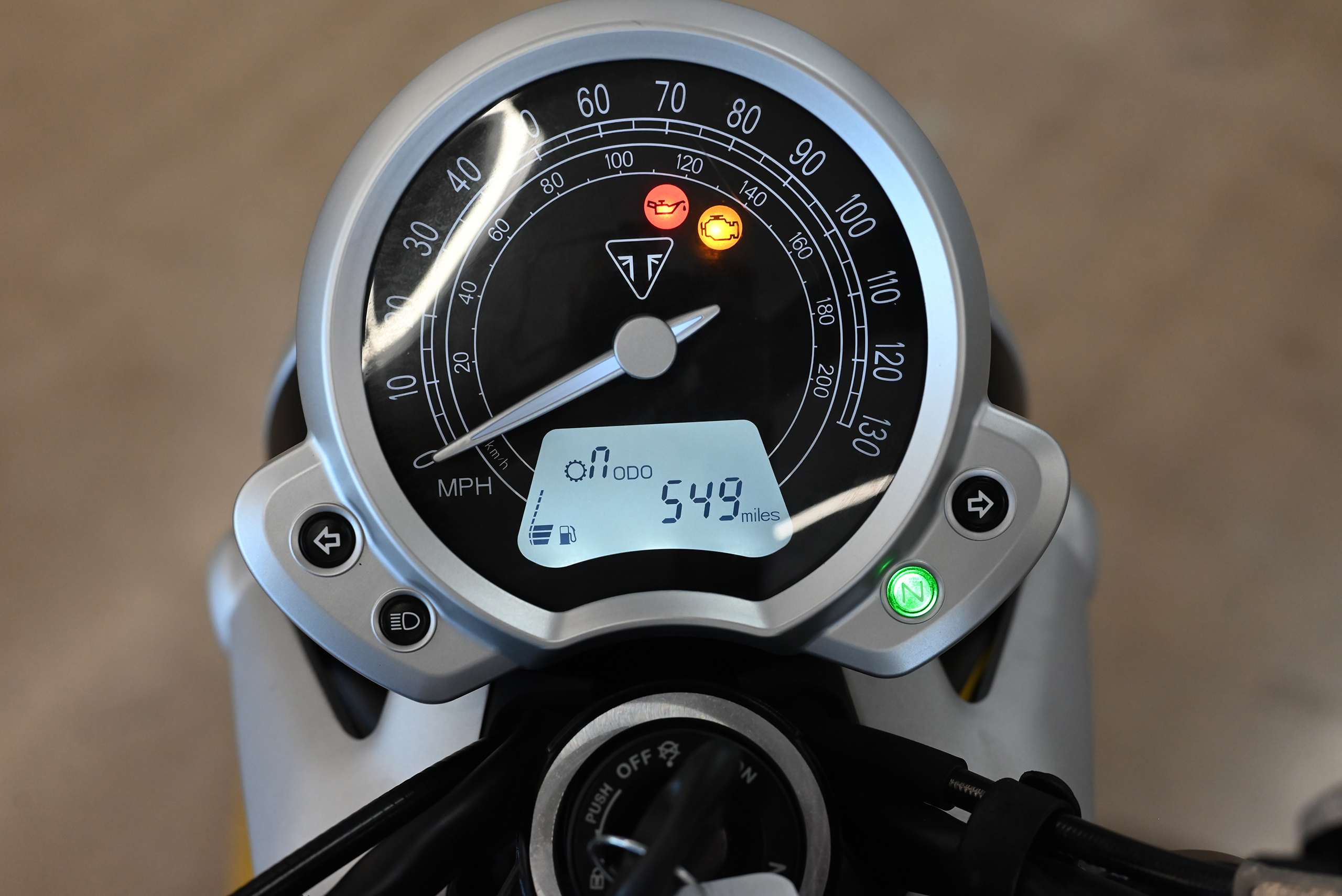
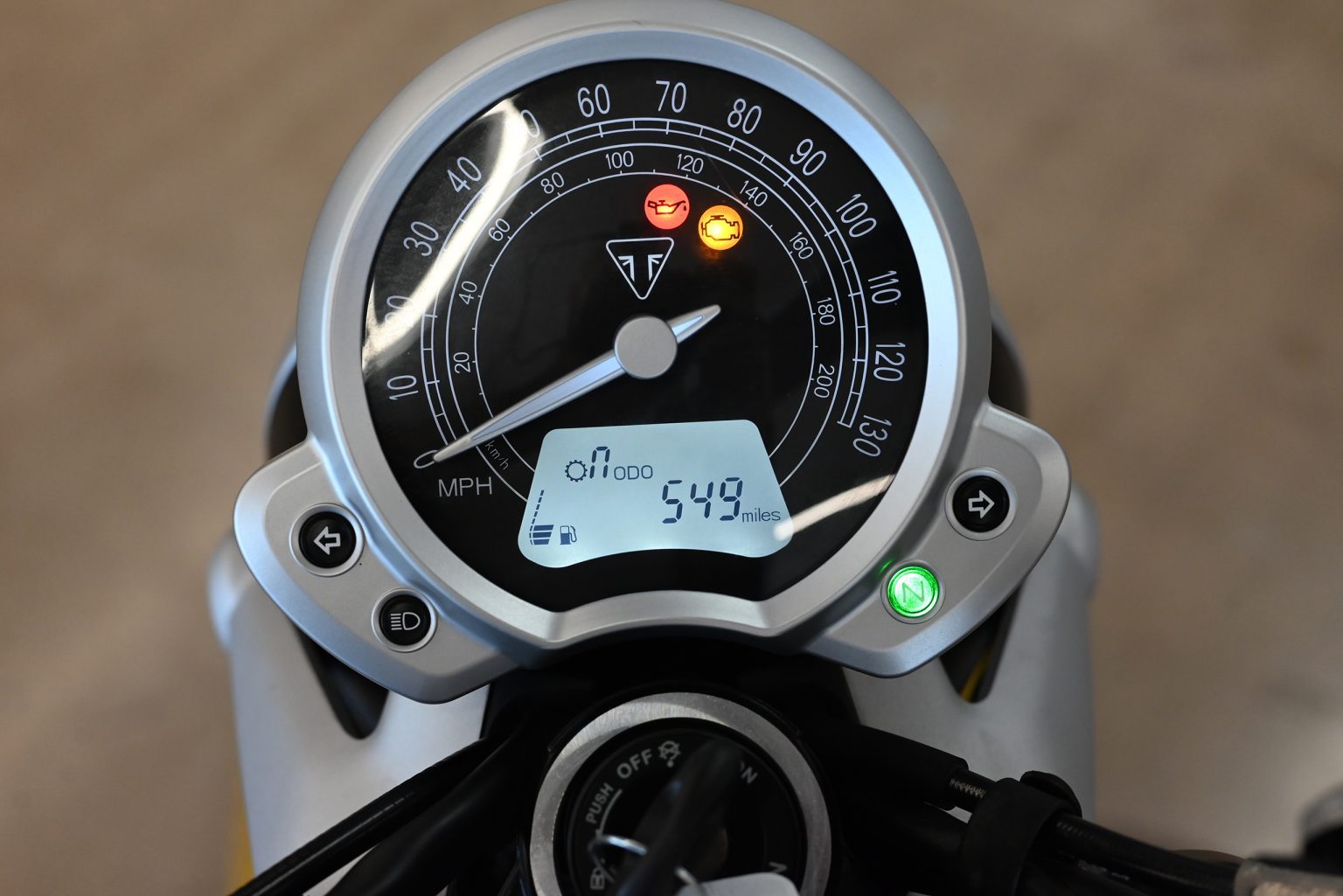
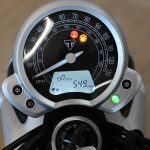
Just 549 miles on a 2017 Triumph Street Twin, photographed for Onyx Moto’s inventory. The mileage is one part of its story. Photo: Onyx Moto.
“Only 3,000 miles” is an appealing line in a used-motorcycle advertisement. It suggests a bike with plenty left to give, perhaps one that spent more weekends under a cover than out on the road. Beside a similar machine with a much busier odometer, it can look like the obvious place to start.
Then comes a question worth asking before the viewing: when was the last service, and what did it include?
The answer can change the comparison. A lightly used motorcycle may still have maintenance coming due by age. Another with more miles may arrive with recent work already documented. The useful distinction is how much each bike needs before it fits the riding you plan to do.
What the barn-find story leaves out
At Onyx Moto, we understand the appeal of finding an older motorcycle with hardly any miles. We also see the extra work those finds can take. In our shop experience, a bike that has sat for years can cost substantially more to bring back into regular use than its tidy appearance suggests.
Clogged fuel systems are a common part of that work. On bikes left outside, we also frequently find water collected in the fuel tank. When the resulting damage is severe enough, getting the bike right can mean replacing the tank and fuel pump, not simply adding fresh gas. Cleaning the fuel system, replacing spark plugs and renewing air filters can all be part of the return to service.
The encouraging part is what we often find inside the engine: its internals are still in good shape. Once the fuel-system problems and other needed work are properly addressed, these motorcycles can run very well. That is our experience with the bikes we see; the condition and scope of work still have to be established on each motorcycle.
A low-mileage find can therefore be worth pursuing. The useful question is whether its return-to-service work is already complete, documented and included in the price—or is still your project to pay for.
The interval hiding beside the mileage
Open the maintenance schedule for the 2021 Honda Rebel 500. Alongside the mileage columns, Honda lists calendar replacement intervals: one year for engine oil, two for brake fluid and three for radiator coolant. Those figures belong to that model and manual; the full schedule also includes distance-based work.
That small column changes the meaning of a low odometer reading. If the last documented brake-fluid replacement on this Rebel was more than two years ago, the mileage alone cannot make the service current. The date on the invoice becomes part of the buying decision.
This is where a vague promise such as “just serviced” deserves a follow-up. An oil change may be useful, but it answers a narrower question than a record showing which scheduled work was completed. Ask for the itemized invoice and compare its date and mileage with the exact bike’s maintenance schedule.
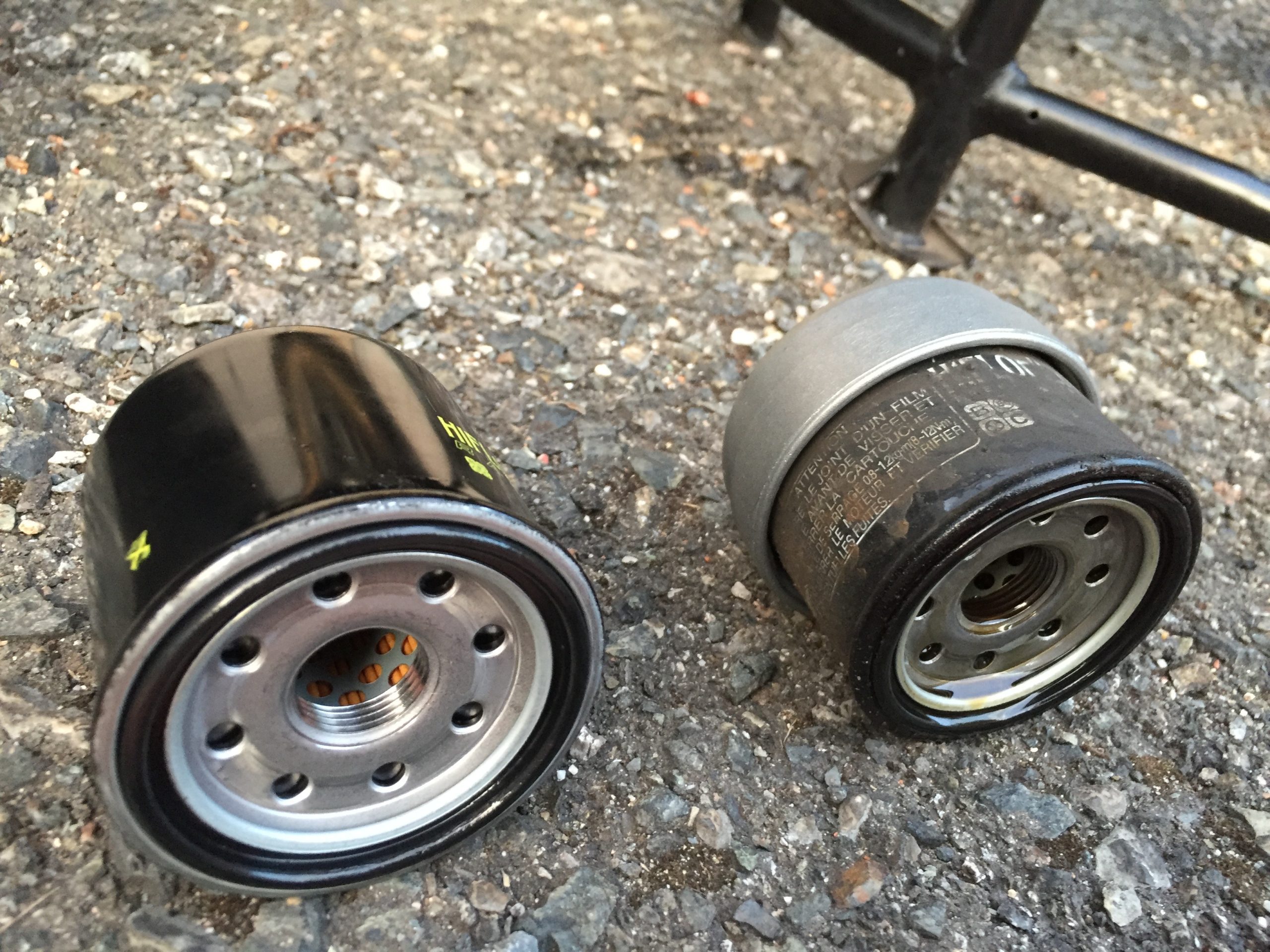
New and used oil filters for a Yamaha XJ6 Diversion. A dated service record establishes when parts were replaced. Photo: Petrb / Wikimedia Commons (CC BY-SA 4.0).
Plenty of tread, another question
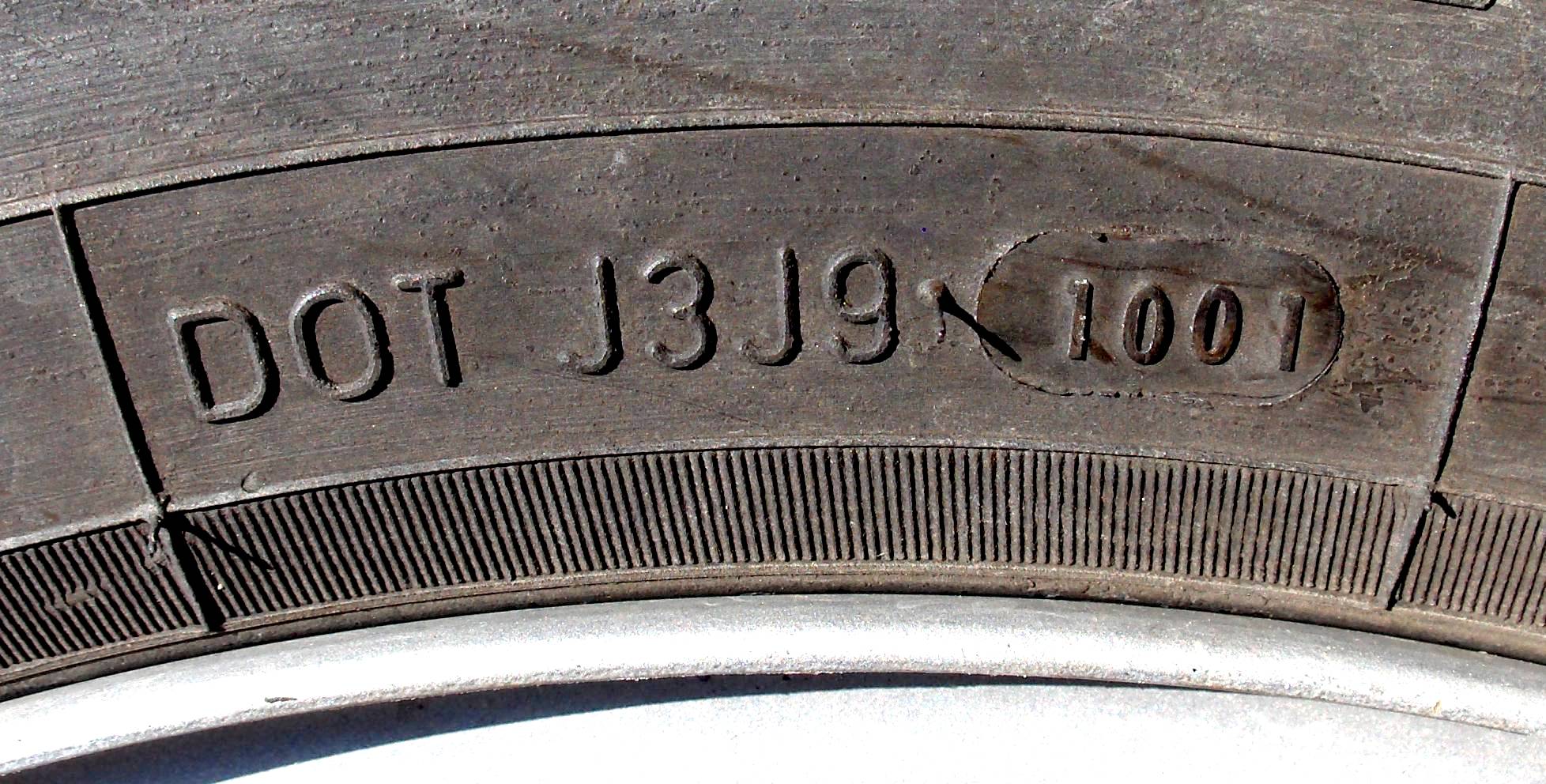
Tires make the age-versus-mileage problem visible. Deep grooves can look reassuring in a classified photo, while the information needed to date the tire sits on its sidewall. In a four-digit DOT date code, the first two digits give the week of manufacture and the last two give the year, as Michelin explains in its tire-marking guide.
An example of a tire date marking: 1001 means the tenth week of 2001. The code dates the tire; it does not establish its condition. Photo: Wualex / Wikimedia Commons (public domain).
Michelin’s motorcycle-tire guidance calls for annual professional inspection after five years of use and precautionary replacement by ten years from manufacture, even when tread remains. Damage or wear can require replacement much earlier. Use the guidance for the tires actually fitted; ten years is an outer limit in that recommendation, not a promise of ten safe years.
The point is practical. A photograph showing tread depth helps with one part of the decision. A readable date code and a professional assessment add information that the mileage in the advertisement cannot supply. For a buyer, that may turn “tires look good” into a specific question about what will need replacing and when.
Ask about the bike’s time off the road with the same curiosity. When was it last used regularly? What work brought it back into service? A seller who can describe the sequence gives you something to check against the records and condition. A low number on the dash tells you very little about those intervening years.
Compare the first season you will own
Before choosing between two candidates, put the purchase price beside the work each needs now. Use a shop’s estimate for identified work on the actual motorcycle. Keep immediate safety concerns separate from routine maintenance and from accessories you simply want.
Consider a hypothetical pair of the same model: the lower-mileage bike needs a scheduled service and tires; the higher-mileage one has recent invoices for both. The first may still be the better buy. Its lower mileage may matter to you, and its price may leave room for the work. But you can now compare two usable motorcycles instead of two odometer readings.
The reverse deserves equal attention. A well-kept, lightly ridden bike with current maintenance can be an excellent find. There is no reason to discount it merely because it spent time parked. The aim is to understand that time well enough to buy with confidence.
When you find a candidate in Onyx Moto’s used inventory, ask what service history is available and what maintenance the exact model calls for next. Keep the answer with the listing. When you return to the price, you will know more about the motorcycle you are actually buying.
Workshop observations contributed by Kenny of Onyx Moto, October 23, 2026. Honda and Michelin sources checked the same day. The inventory photograph does not establish that bike’s storage history; the oil-filter and tire photographs are separate, credited examples.