A lower motorcycle payment can help this month and cost more over the life of the loan. Put the purchase price, amount borrowed and repayment schedule on the same page before choosing.
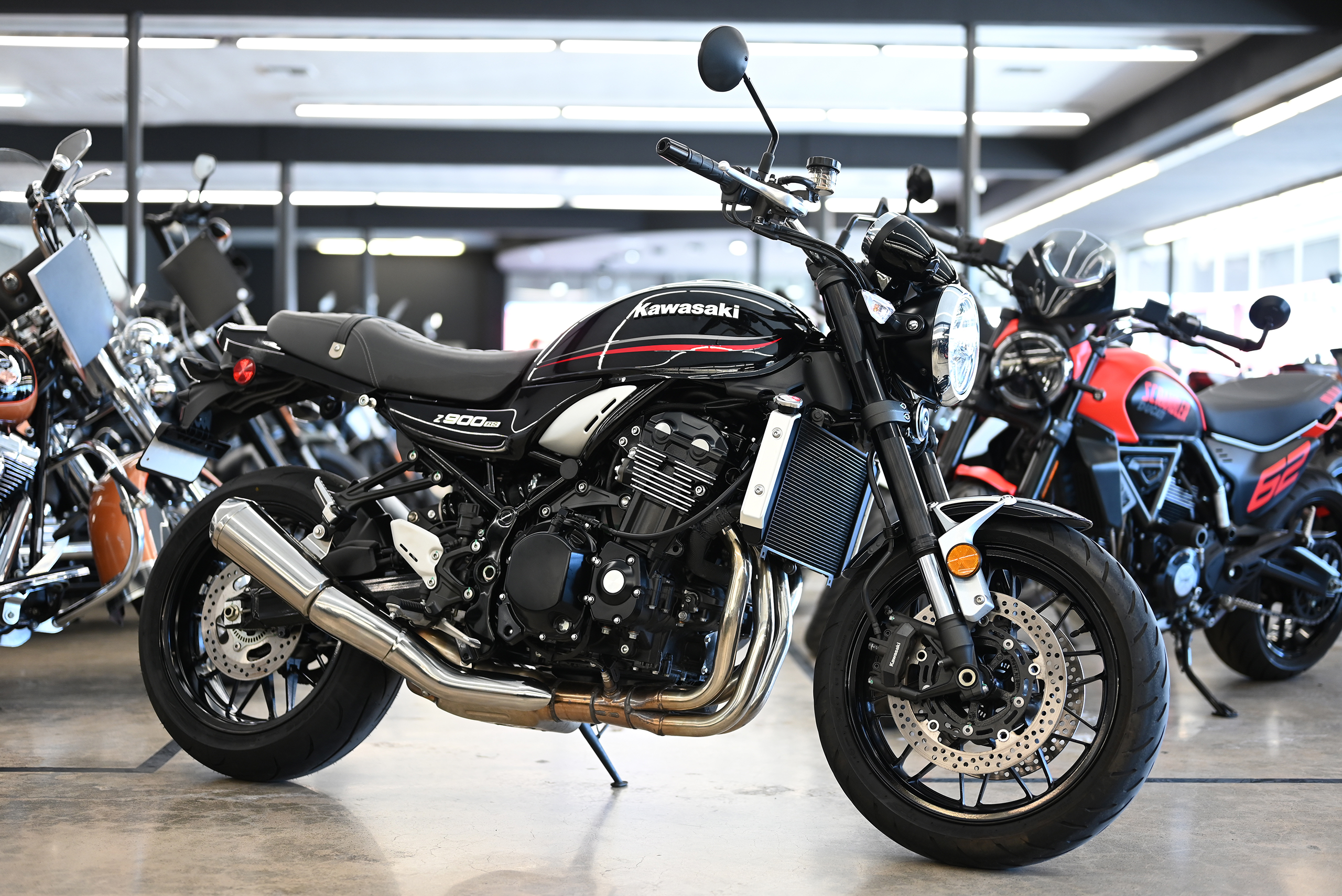
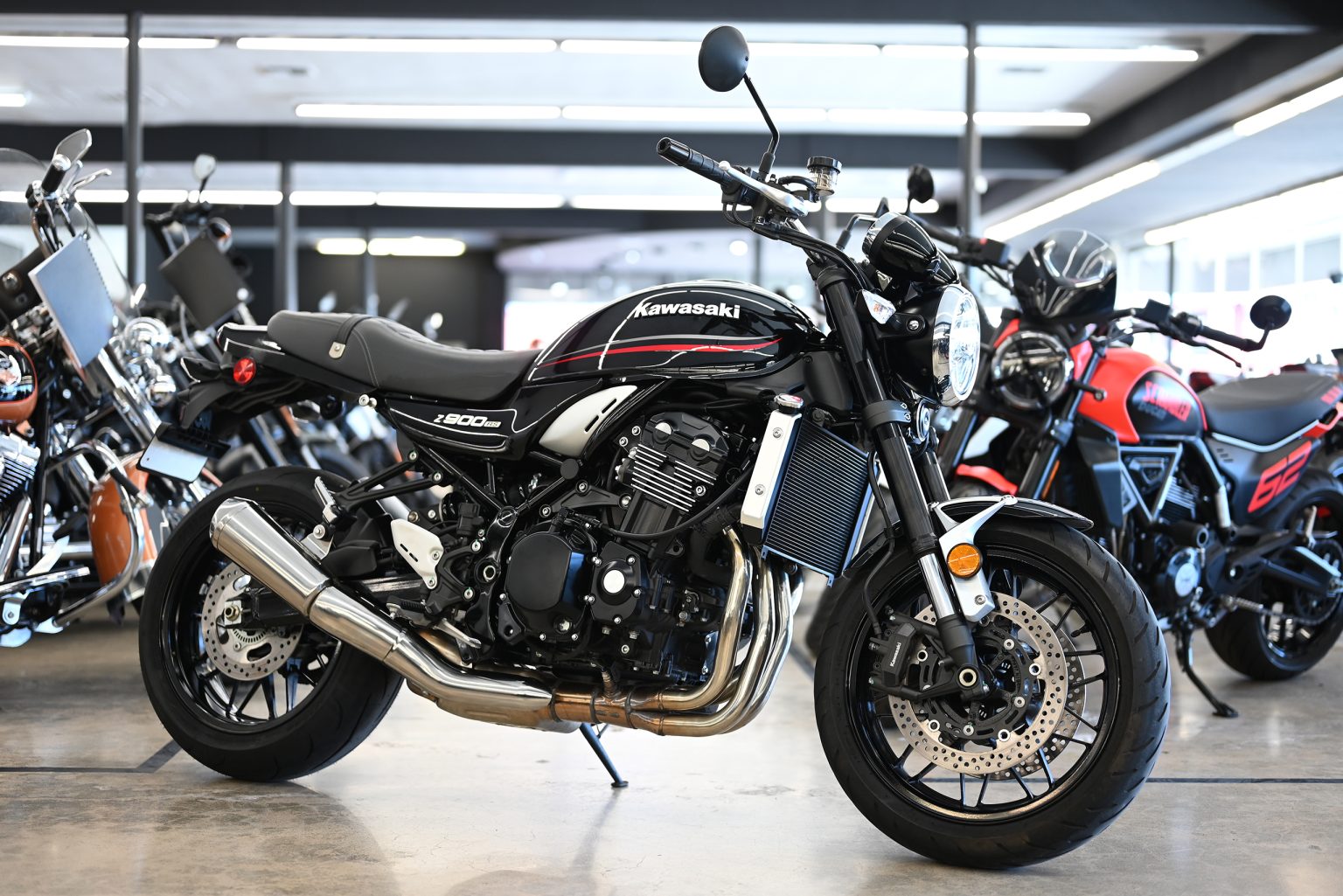
A 2024 Kawasaki Z900RS photographed in the Onyx showroom. The financing examples below are hypothetical and are not offers for this motorcycle. Photograph: Onyx Moto.
The motorcycle has a price tag. The loan has a monthly payment. It is tempting to treat either number as the price of getting the bike home, especially when you have already pictured where it will sit in the garage.
They answer different questions. The purchase total tells you what you are buying. The amount financed tells you how much you will borrow. The payment tells you how that borrowing is spread across your calendar. A useful comparison keeps all three visible.
That matters even when two quotes concern exactly the same motorcycle. A change in deposit, an optional product or another two years of payments can make one quote look easier without making the motorcycle less expensive.
Begin with the motorcycle, then price the borrowing
Ask for an itemized purchase quote before comparing payment estimates. It should identify the exact motorcycle and show the vehicle price, taxes, registration and other charges, any optional products, and the total. Then separate the cash you bring from the amount you would finance. If a trade is involved, keep its value and any existing payoff visible too.
This is useful at Onyx as well as anywhere else. Our inventory listings state that the advertised price excludes items such as sales tax, registration, reconditioning and document preparation. A listing helps you choose which bike to investigate; a written quote establishes the transaction you are actually considering. An attractive advertised price is not a reason to skip that second document.
For the loan, compare the amount financed, APR, term and total of payments together. The Consumer Financial Protection Bureau’s loan-comparison guidance uses those dimensions because a monthly figure by itself conceals how long you will be paying. An APR comparison also needs the same amount and term to be genuinely useful.
What two extra years do to $10,000
Here is a deliberately simple example. Both loans finance $10,000 at a fixed 10% annual rate, with no loan fees or add-ons. Payments are monthly and made on time. Only the term changes.
Hypothetical loan A
36 months
$322.67 per month
Amount financed
$10,000
APR in this no-fee example
10%
Total repaid, approximately
$11,616
Interest, approximately
$1,616
Hypothetical loan B
60 months
$212.47 per month
Amount financed
$10,000
APR in this no-fee example
10%
Total repaid, approximately
$12,748
Interest, approximately
$2,748
Illustration, not an Onyx or lender offer. Totals use unrounded amortization calculations; a real final payment may be adjusted for rounding and the contract’s interest method. No down payment is included in these loan totals.
The longer loan lowers the monthly payment by about $110. It also adds roughly $1,132 in interest and continues for another 24 months. The motorcycle has not changed. Your commitment has.
There is no need to pretend that monthly affordability is unimportant. It is very important. But stretching a term should be a decision you can see, with a known cost, rather than something hidden inside a comfortable payment. If the shorter term is too tight, another useful comparison is a less expensive motorcycle—not just a longer contract for the same one.
Keep the trade, the extras and ownership in view
A trade can make the page harder to read. A generous-looking allowance is only one part of the deal if the replacement price, fees or financing also change. Ask to see the replacement purchase total, the trade allowance and the old loan payoff as separate figures. When the payoff exceeds the allowance, that difference still needs to be addressed; adding it to another loan does not make it disappear. The CFPB explains how rolling negative equity into new borrowing raises its cost.
Give optional products the same treatment. If you want a service contract or another add-on, ask for its price and terms individually, then see what financing it does to the payment and repayment total. A small monthly increase can be easy to accept without ever registering the price of the product.
Finally, leave room for the motorcycle after purchase. An insurance quote for the exact bike, riding equipment, routine service and tires belong in your budget even when they do not appear on the loan worksheet. The CFPB’s ownership-cost guidance makes the same distinction between obtaining a vehicle and paying to keep it.
Bring that comparison to a conversation about financing at Onyx Moto. You can still choose with your heart when it comes to the bike. Give the numbers enough room to be understood first.
A low-mileage find can become a great motorcycle. Onyx Moto explains the extra work, fuel-system problems and calendar maintenance to check before buying.